You need professional mold remediation when the affected area is bigger than about 10 square feet, the mold has spread behind drywall or into the HVAC, or someone in the home is having health reactions. A small surface patch on tile or sealed wood you can usually clean yourself. Leave a real problem alone and it works into the structure and the air you breathe.
Mold accumulation is a serious concern for anyone who owns a building, as it can impact the indoor air quality and the safety and comfort of occupants. It’s important for you to understand what mold is and be prepared to address its growth within your home or business.
So, let's get straight to it - do you really need mold remediation?
When it comes to being a responsible real estate owner, property maintenance and upkeep are extremely important. Oversight ranges from making sure that the grounds or lawns are regularly trimmed to making sure that certain systems, like ventilation, heating and air filtration, are functional. Another important aspect of property care is making sure that there are no maintenance issues that can make the building an unsafe place to be. Certain recurring problems can negatively affect a home or commercial building, such as a pest infestation or the presence of mold.
Key takeaways
- Call a pro when the affected area tops about 10 square feet, mold reaches behind drywall or into HVAC, or someone is reacting to it.
- A small surface patch on tile or sealed wood is usually a safe DIY clean-up.
- Bleach fails on porous materials — chlorine evaporates fast and can't reach the roots in wood or drywall.
- An independent professional inspection runs $200 to $600 and can take up to six hours.
- The EPA tiers contamination by size: under 10 sq ft, 10-30, 30-100, and over 100 sq ft, each needing more protection.
Understanding Mold
Before you can address mold growth, you should know what it is and what it isn’t. The term “mold” refers to a range of fungi that develop on wet or moist surfaces. In nature, mold serves an important function, as it breaks down dead organic matter.
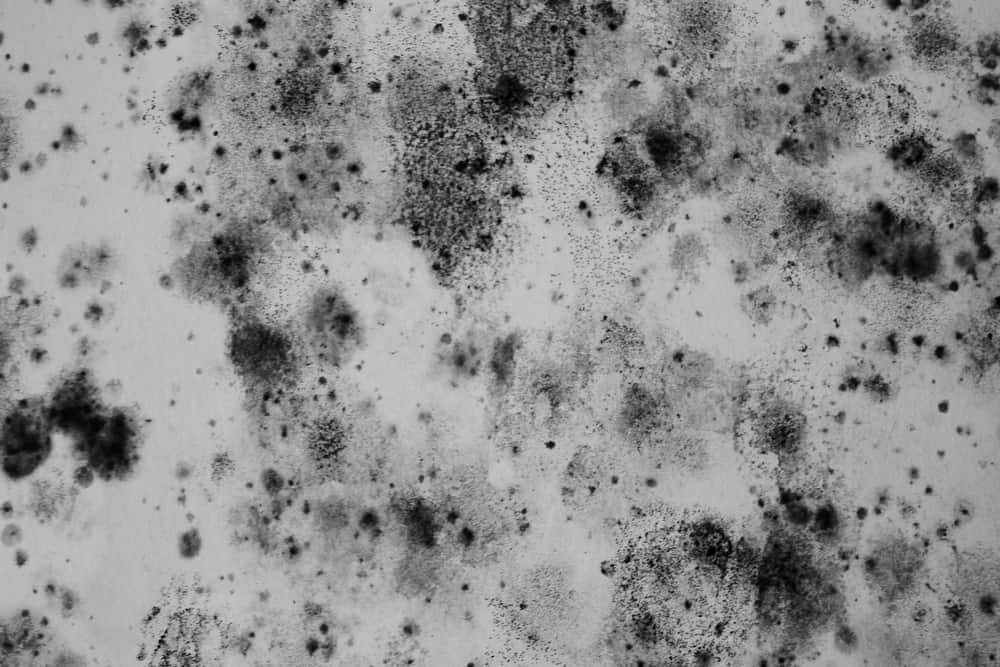
Mold, which is sometimes called mildew, reproduces through microscopic spores that are airborne and eventually settle on surfaces. Although it typically appears as a discoloring, fuzzy substance, it exists in various forms that require moisture as well as an organic food source to survive and grow. It becomes visible once several colonies have formed. The growth and spread of fungi are dependent on several factors:
- Available moisture: Mold needs water.
- Temperature: Fungi thrive in warmer environments.
- Ventilation: Airtight containment slows the formation of fungus.
- Light: Different fungi variants respond differently to light.
- Nutrients: Salt and sugar are two nutrients that various fungi feed on.
- Acidity: Most fungi thrive in surroundings that are less alkaline and more acidic.
Mold is generally a nuisance when it forms on foods. However, its formation on building surfaces can be still more problematic, especially if occupants have allergic sensitivities to mold spores, or if mold-produced toxic compounds known as mycotoxins are inhaled or ingested.

Recognizing What Causes Indoor Mold
Mold spores are everywhere, including the interior of a building. Air currents can carry them to every part of a structure. Indoor mold or mildew usually exists in amounts that do not affect most healthy people; however, significant growth indicates the presence of moisture and a food source. Significant moisture can arise due to a number of reasons:
- Water damage from flooding, burst pipes, outdoor exposure or the dousing of a fire
- Sustained moist conditions, usually in excess of 48 hours
- Leaky roofs, windows or pipes
- Condensation from HVAC systems
Many of the materials used to build structures can sustain the development of mildew, acting as a food source:
- Wood, including plywood, cabinetry, framing and flooring
- Drywall
- Concrete
- Carpet, carpet pads, rugs, etc.
Other interior surfaces and substances are favorable to the development of mold, including dust, paper, cardboard, fabrics, soap and even skin cells.
Certain parts of a building tend to be conducive to the growth of mildew because of a combination of water, food, temperature and airtightness:
- HVAC systems
- Crawl spaces, basements and attics lacking vapor barriers
- Bathrooms, particularly showers, tiles and under sinks
- Kitchens, near tiles and under sinks
- Walls
Mold colonies may grow between 32 and 95 degrees F (0 and 35 degrees C), but they tend to flourish between 77 and 86 degrees F (25 to 30 degrees C).
Detecting Mold
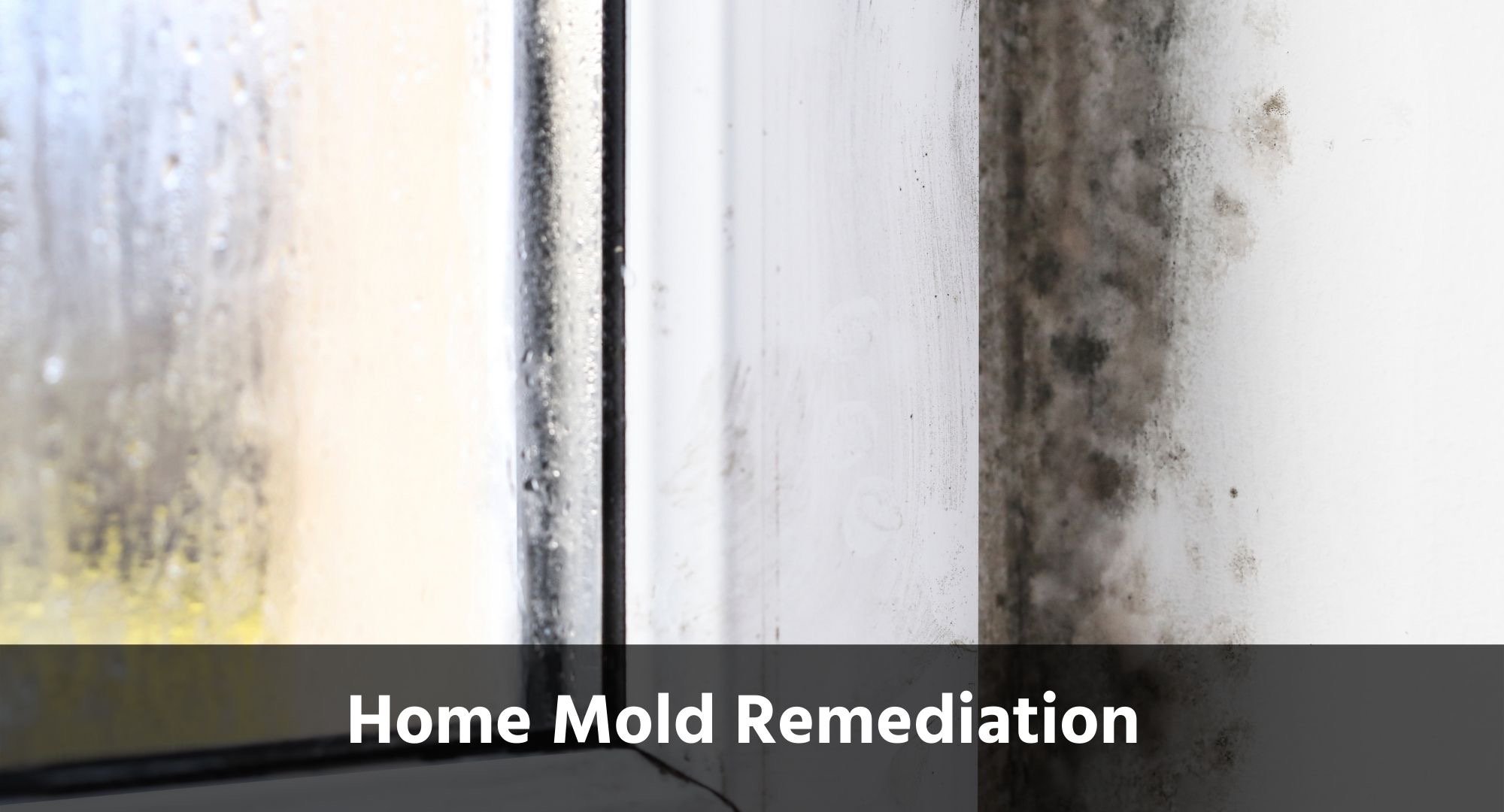
When enough colonies form on a visible surface, you can usually recognize the mold growth by sight. Often it grows in places that are hidden from view, but the evidence of water damage or a musty odor may alert you to its presence. A person with an allergy to mildew may experience symptoms indicating that there is a significant accumulation. Physical reactions to inhalation or ingestion of mycotoxins may also indicate that your home or office has a mold problem. Exposure to these fungi may present a number of symptoms:
- Runny nose/nasal congestion
- Difficulty breathing, wheezing or tightness of chest
- Coughing
- Sneezing fits
- Throat irritation
- Mycosis (fungal infection)

While sight and smell may indicate mold buildup, a professional assessment is necessary to determine the full extent.
Cleaning Mold
In the course of regular cleaning of a home or commercial building, you can use a dilute solution of sodium hypochlorite, otherwise known as liquid beach, to clean mildew. However, this DIY approach is generally not effective for true mold removal, which is best left to a professional contractor. Bleach alone cannot take care of a mold issue for several reasons:
- It is only effective on a non-porous surface; mildew can grow roots in many of the porous surfaces found in a building.
- Chlorine evaporates quickly, making bleach lose its efficacy in killing fungi.
- Some animals and pets are sensitive to the air pollutants in bleach.
Significant mold growth requires remediation, which involves more than simply cleanup. Remediation is a multistep approach that starts with removing the source of fungal growth.
Assessing the Damage
When you suspect significant mold accumulation, it’s best to hire an independent professional inspector who is trained and equipped to determine the full extent of any damage. Look for an inspector with the following characteristics:
- Licensed as a Certified Industrial Hygienist or Council-Certified Indoor Environmental Consultant
- Independent of a mold remediation provider
- Able to provide a detailed report based on laboratory and air samples
- Objective about findings and not promoting a particular company or cleanup solution
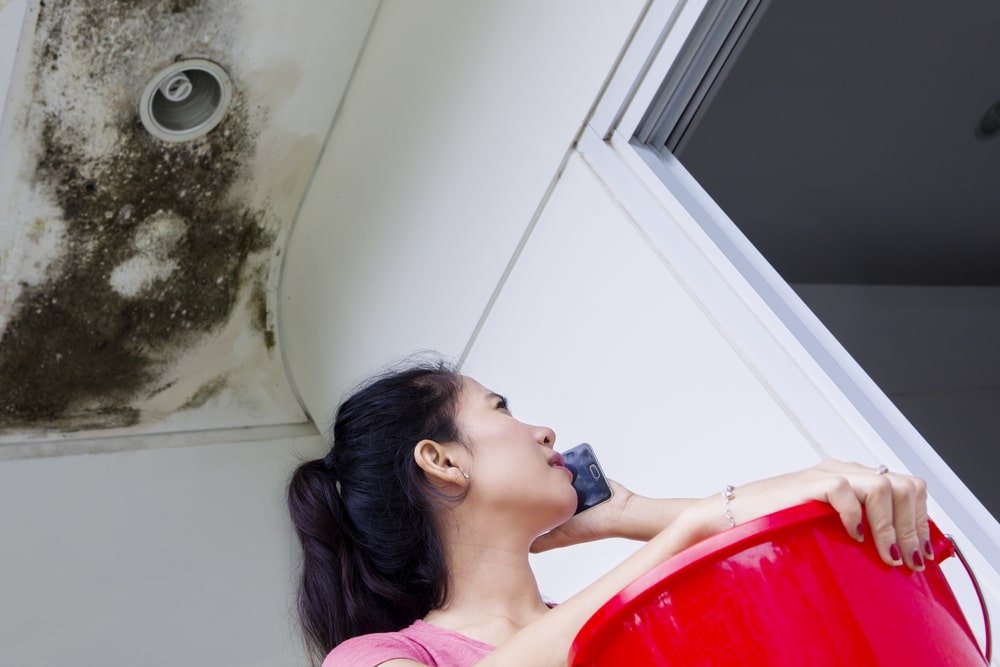
The average investigation may run from $200 to $600 and take up to six hours. Be advised that the inspector may cut and remove walls to fully assess the damage. After evaluation, this professional can explain the source of the problem and what level of removal is needed.
Do I Really Need Mold Remediation?
Professional mold remediation involves more than just cleanup. It is a complex process that begins with removing the source of the fungal growth, which is often excess moisture or wet conditions. Mold can develop on damp, porous surfaces within one to two days, so prevention is critical. The remediation process includes advanced methods to remove and clean all mildew to restore your house or building to pre-damage conditions, when feasible:
- Microbial removal and remediation
- Cleanup of water damage
- Specialized drying techniques and methods
- Odor control
- Upholstery/fabric cleanup
- HVAC cleaning
- Disposal of debris
Keep in mind that mold seeks to spread throughout an area or building, so a key element of a remediation process is containment. The point of containment is to physically isolate and control the spread of mildew damage. Containing and controlling growth offers certain advantages:
- Reduced property damage
- Lowered costs for repair
- Minimized duration for full restoration
- Minimized interruption to occupancy of the home or commercial building
- No need for temporary relocation
Professional mold remediation teams use specialized equipment to assess work progress and effectiveness, including moisture meters, humidity gauges and cameras. Imagine trying to remediate a serious mold problem yourself or through a traditional cleanup approach, and you will understand why it is impractical.
Protecting Against Mold
Mold Remediation requires the use of personal protective equipment worn by technicians, including respirators, gloves, impervious suits and safety goggles. In the United States, mold contamination is categorized according to levels based on the required PPE protection:
- Level I: Small, isolated sections, usually 10 ft2 or less; completed by trained custodial staff
- Level II Mid-sized, isolated sections, between 10 to 30 ft2; completed by trained custodial staff wearing protection
- Level III: Large, isolated sections, between 30 to 100 ft2; completed by fully protected pros trained in handling hazardous materials and microbial investigations
- Level IV: Significant contamination, over 100 ft2; completed by equipped, knowledgeable professionals
Extensive mold growth in your home or business is a serious problem and requires full remediation, as opposed to mere cleanup. A professional mold remediation contractor brings specific knowledge, specialized equipment and the appropriate protective measures to not only fully remove existing mold and the source of its growth, but also stop the spread into unaffected areas of the structure.
Frequently Asked Questions
What happens if you ignore mold?
Mold spreads as long as moisture is present, so a small spot can grow into a larger problem and damage drywall, wood, and other materials over time. It can also keep aggravating allergy and respiratory symptoms for people in the home. Ignoring it usually means a bigger, costlier job later.
Can I clean mold myself instead of paying for remediation?
For a small area (under about 10 square feet) on a hard, non-porous surface, you can often clean it yourself with proper protection and ventilation. Larger growth, mold on porous materials like drywall or insulation, or anything inside walls or HVAC needs a professional who can contain it and fix the moisture source. Cleaning the surface without solving the water problem just delays a return.
How do I know if mold is behind my walls?
Common signs include a persistent musty smell, stains or discoloration bleeding through paint, warped or bubbling walls, and a history of leaks or moisture in that spot. Recurring allergy symptoms in one room can be another clue. A professional can use moisture meters and inspection tools to confirm before any wall is opened.