Mold is a persistent issue in numerous apartments and homes across the United States. While the maintenance or repairs of your apartment building might not be your responsibility, recognizing the onset of a mold issue within your living space is crucial. Unlike a smoke alarm or carbon monoxide alarm, you won’t be getting a warning when mold growth starts to appear. It may take a long time before you realize that harmful mold spores are growing all around you and invading your space.
In this article, we'll walk you through how to test for mold in your apartment and how to take care of the problem before it gets worse.
Worried mold has affected your health, not just your walls? That's a different test — see how to test for mold exposure. This guide is about checking the unit itself.
Key takeaways
- Mold often hides behind walls, under carpet, or in HVAC ductwork, so a musty smell or symptoms can show up well before you see any growth.
- Start with the free checks — odor, visible discoloration and water stains, rust around vents — then confirm with a test.
- Air-sampling kits read airborne spores and catch hidden growth; surface or swab kits only confirm a spot you already see; settle plates are the least reliable.
- For a rental where the source may be behind a wall or in ductwork, professional air sampling gives the clearest picture and identifies the mold type.
- Tenants often aren't liable for cleanup — notify your landlord in writing, since the implied warranty of habitability usually puts mold repair on the property owner.
What Causes Mold Growth in Apartments?
A mold problem can be difficult to identify because it often grows in places that are not easily seen such as behind the wall or cabinetry. It can also take months or years before there are enough signs of mold buildup to the point you notice that it has taken hold.
Any environment that supplies moisture, darkness, and airflow can lead to mold growth and spore production in your apartment. As mold grows, it releases the mold spores into the air, where they can be inhaled by those in the room.
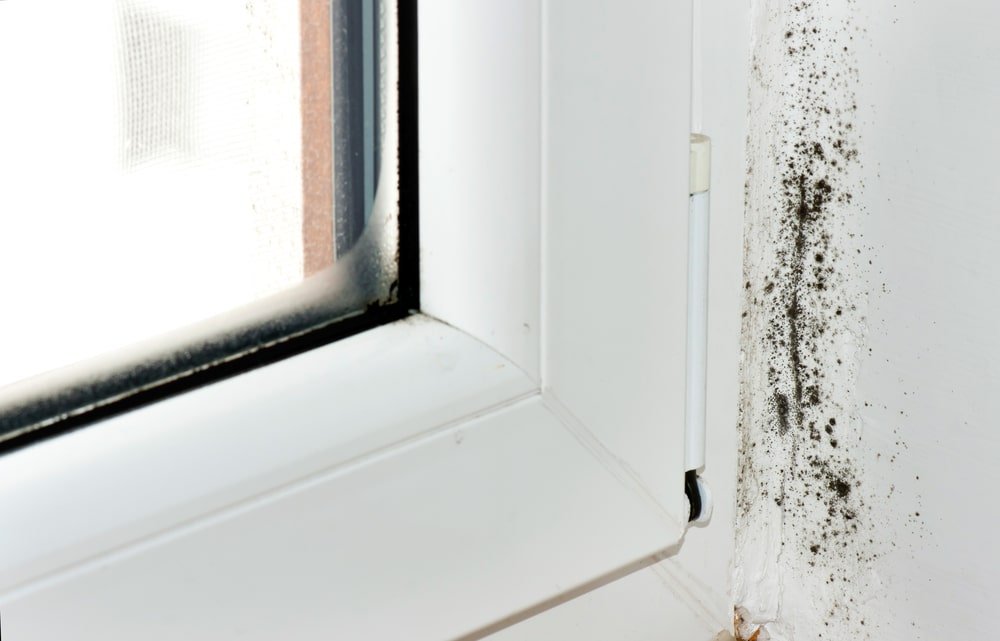
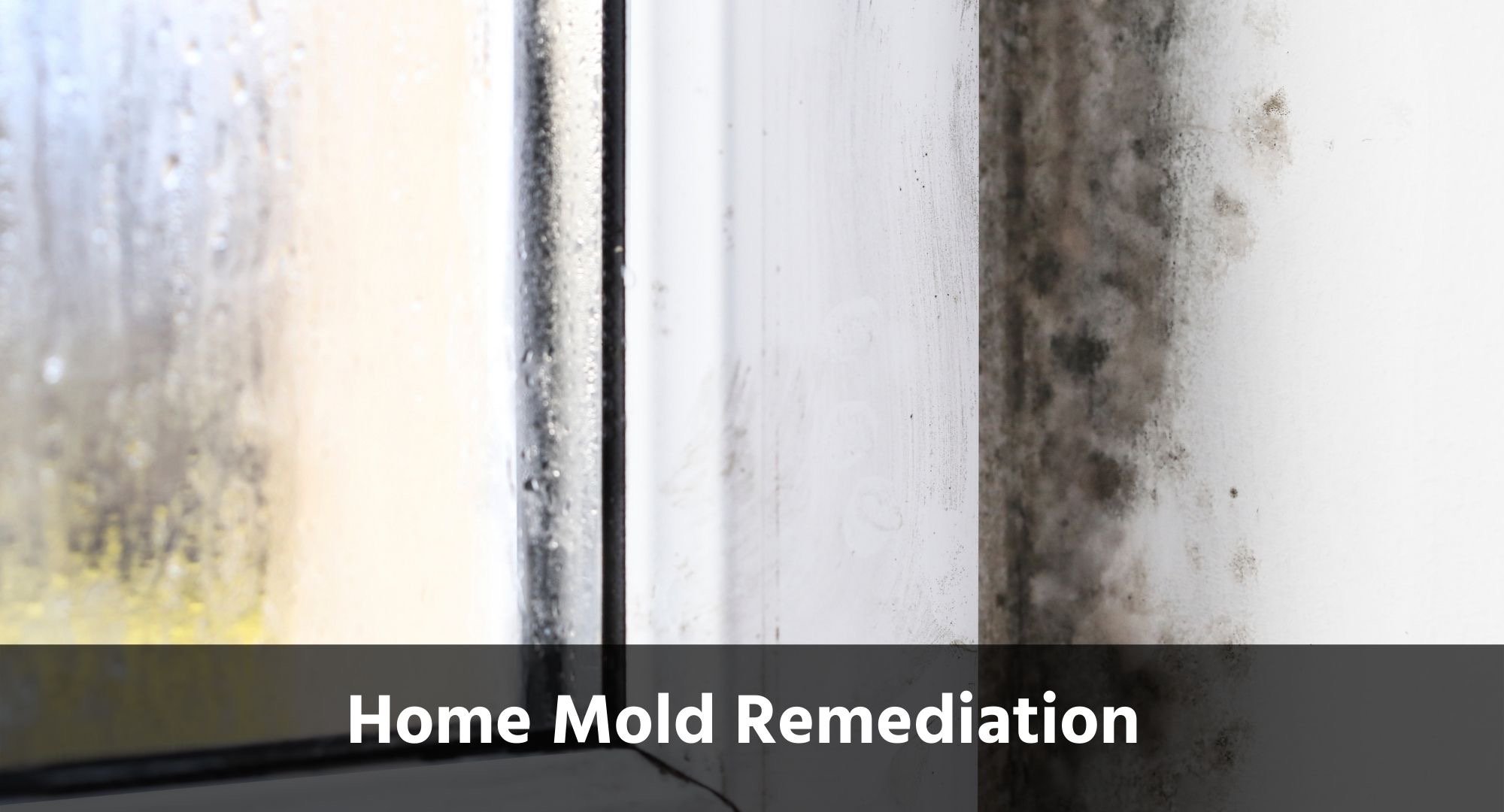
If water has been a problem in your apartment, such as a roof leak, moisture buildup in the bathroom, or flooded bathtub, you need to be concerned about the silent threat of mold. You may find these funguses growing in the ductwork of the HVAC unit, inside walls, under the carpet, or underneath the refrigerator. When growing, you may see brown, black, or green-spotted areas. If you know or suspect a water problem in your apartment, make sure to check your apartment for mold as it can cause health issues.
Do You Need Mold Remediation?
Answer a few short questions and find out now!
How To Test For Mold in Apartments
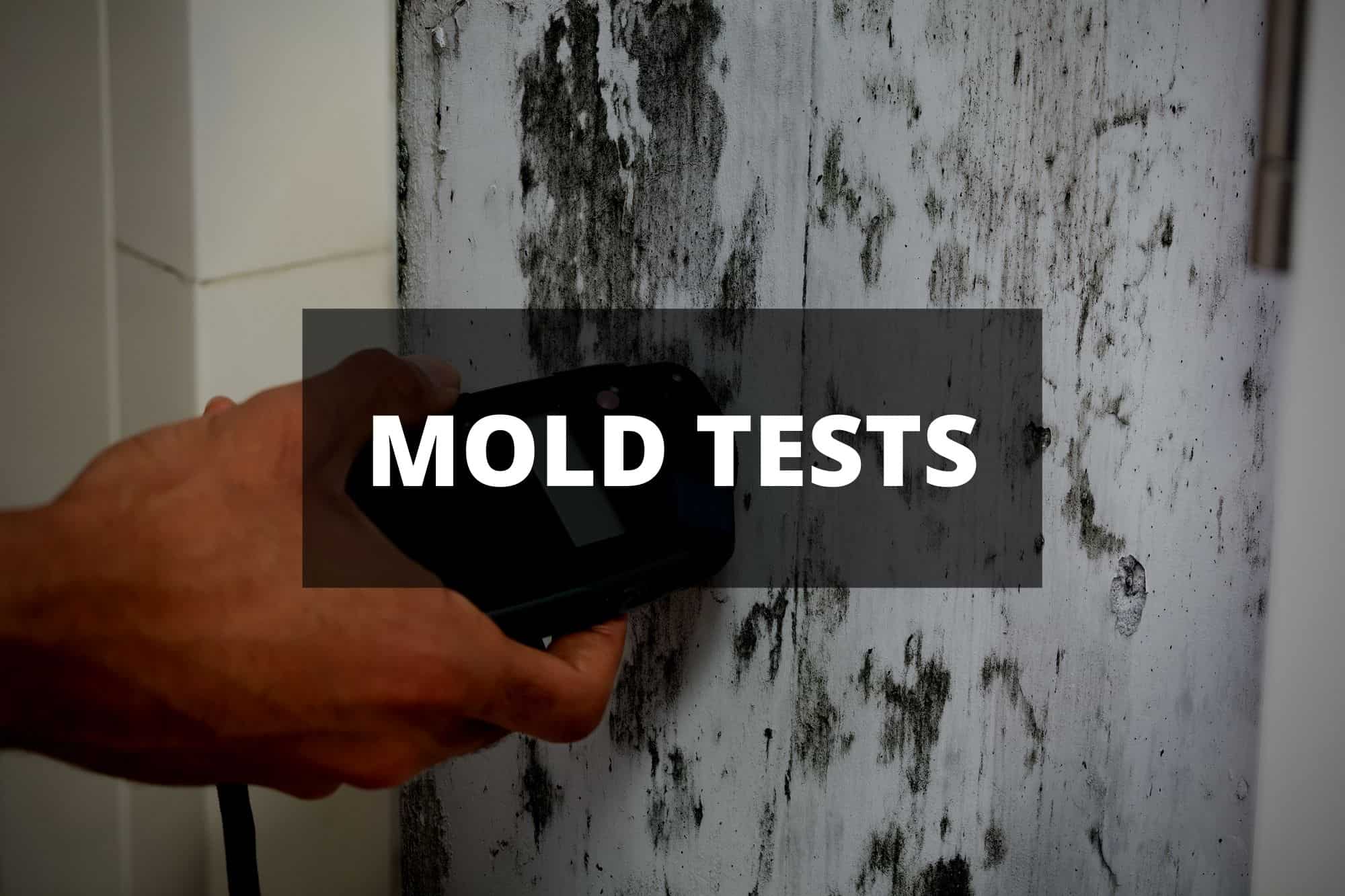
While the suspicion of mold spores should have you calling the experts in mold remediation, there are some things you can do on your own to see if you have a mold problem. If your search does lead you to finding signs of mold growth/damage, don’t delay in calling professionals to test for mold.
1. Consider the indoor air odor in your apartment
When you first walk into the apartment, you should be able to assess the smell of the home. Most often, mold spores put off a musty smell caused by moisture problems and is undeniable to the senses. This type of smell can be found in places such as basements or garages. If you find yourself constantly burning candles or spraying fresheners to change the smell of the air, you may be dealing with a black mold infestation. You can always ask friends or family members to come over and see if they can smell anything that may be black mold growth. You may have a smell in a particular closet or room.

2. Look for discoloration around the apartment
Make your way throughout the rooms in your apartment, looking for water damage or the presence of mold on the walls or on the floor. Try starting your search in areas where moisture is obvious, such as the bathroom. You should look for spots that are green, brown, or even signs of black mold. If you see water stains on the ceiling or along the base of the wall, this could mean that water damage occurred in the past, potentially leaving mold growing in a hidden area.
Mold may also present itself in drywall that has bubbled or cracked. The same effect can happen to the ceiling, especially when water damage occurred or through continuous exposure to moisture. Surfaces that absorb moisture can become soft resulting in water damage. If your landlord is replacing ceiling tiles or sheets of drywall that are discolored or damaged, be sure that you have professionals come in and assess if mold is growing in or around the area. You don’t want additional mold spores released into the atmosphere so professional mold testing is very important.
One area where mold growth may be easily seen is around the HVAC vents in the room. It is common for mold or mildew to live unnoticed within the duct work of a home or apartment, but as the fungus colonies grow, the spores can start colonizing around the air vents. You may see the black spots or brown spots that accumulate, but more people tend to notice the excess moisture in the area that causes rust to occur on the vents. This could indicate an area where mold will grow easily or that should be checked.
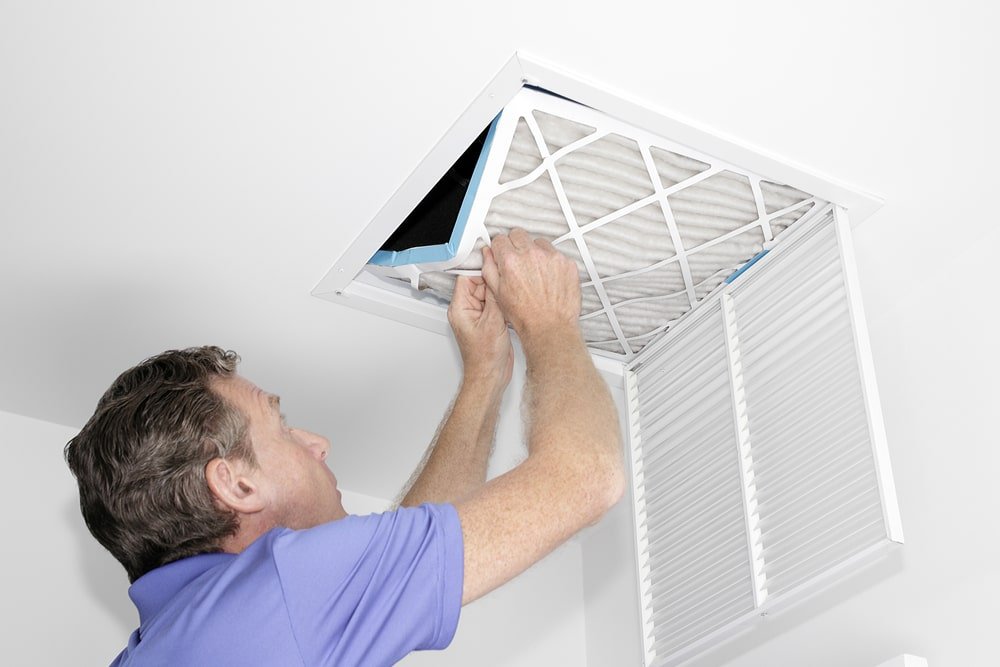
If a mold infestation is found, you don’t want the landlord putting a patch over the hole without dealing with the growth first. Failing to thoroughly remove damaged materials and eradicate the spores increases the risk of these spores spreading and colonizing new areas within your apartment.
3. Notice whether you feel worse at home
Your own body is a rough sensor. If allergy-type symptoms — a nagging cough, congestion, wheezing, headaches, or a skin rash — ease when you're out and come back when you're home, the air in your unit is worth checking. Asthmatics, children, and older adults tend to feel it first. Use this as a reason to test the apartment, not as a diagnosis.

Confirming whether mold has actually affected your health is a separate question with its own answer — that's medical testing, not a wall swab. We cover it in how to test for mold exposure. This guide stays focused on testing the apartment itself.
4. Call professional mold remediation services
Even if you have done your part and didn’t find anything, it doesn’t guarantee your air quality is fine. Consider calling on the services of Mold Remediation to conduct a thorough inspection of the air in your apartment. Using sensitive equipment, we inspect the air and surfaces within your home for the existence of mold. This equipment can also identify which type of mold is present, as there are different remediation processes for each type.

Samples of the air may be taken with a spore trap, where a large volume of air passes over a sticky surface that catches spores. The mold spore trap is evaluated by a professional laboratory, leaving you with an accurate idea of what you are up against. There are mold test kits that can be done on your own, however for the best results, calling mold professionals is your best option.
If you do try a kit first, know what you're buying. Air-sampling kits pull a measured volume of air across a collection cassette or spore trap, which gives a lab a read on how many spores are actually airborne in the room — useful for catching hidden growth you can't see. Surface or swab kits (tape lifts, swabs, settle plates) only sample a spot you already suspect, so they confirm whether a stain is mold but tell you little about the air you're breathing. Settle plates left open on a counter are the least reliable of the bunch and are easy to contaminate. For a rental where the source may be behind a wall or in the ductwork, air sampling by a professional gives the clearest picture.
The Apartment Mold Removal Process
Once you find out you are dealing with mold or black mold caused by water damage, it can be an overwhelming and scary thought to tackle the issue. As a tenant in an apartment home or unit, you may not be liable for the removal and cleanup costs of mold. You will need to contact your landlord to discuss if they can and are responsible for mold cleanup. Landlords are legally obligated to ensure tenants have living conditions free from health hazards caused by moisture issues. Due to the implied warranty of habitability, the responsibility for addressing toxic black mold typically falls on the property owner. Based on the lease contract, be sure to notify your landlord, in writing, of the discovery of mold and provide a cost of any analysis or testing results. How the problem is addressed is something the landlord needs to work out with you.
Regardless of how much you enjoy your apartment, you should always be concerned about the presence of mold spores or mildew and how they can cause health problems. This is particularly true if you or a prior tenant experienced water damage in one or more areas. Mold can wreak havoc on your health, so for peace of mind, you should have your apartment inspected for black mold or other toxic spores caused by a moisture problem. You can rely on the expertise of the team at Mold Remediation and Removal to thoroughly remove the danger of the fungus from your home and help mitigate health issues.
FAQs
Is my landlord responsible for mold in my apartment?
In most cases the property owner is responsible for fixing mold caused by moisture or building defects, under the implied warranty of habitability that requires a rental to be safe to live in. The specifics vary by state and by your lease, and moisture a tenant caused can shift responsibility, so check your local laws and lease terms. Report the problem to your landlord in writing as soon as you find it.
Who pays for mold testing in a rental?
There is no single rule. Some leases and state laws put inspection and remediation costs on the landlord, while in other situations a tenant pays for an independent test to document the problem. If you cover testing yourself, keep the receipts and lab results — they back up a request for the landlord to handle removal. When unsure, confirm what your state and lease require before paying.
Can I break my lease because of mold?
Sometimes. If mold makes the unit unsafe and the landlord won't fix it after written notice, many states let a tenant pursue remedies that can include ending the lease — but the rules and the steps you have to follow first differ widely by state. Document everything and look up your local tenant-rights laws, or talk to a tenant-rights resource, before moving out, since leaving improperly can leave you owing rent.
How do I document mold for my landlord?
Put it in writing. Note the date you found it and where, take clear photos of the growth and any water stains, and keep copies of any test or lab results. Send the notice to your landlord by email or letter and save their reply. A dated record of what you reported and when protects you if the problem is not addressed.