If you suspect mold in your home or workplace, testing for mold exposure is crucial to determine the potential health risks. A mold infestation can release harmful spores and mycotoxins into the air, which can cause a range of health problems, from allergies to serious respiratory issues.
However, testing for mold exposure requires more than just a visual inspection. It involves taking air, surface, or bulk samples and analyzing them in a lab.
In this comprehensive guide, we will walk you through the different types of mold tests, when to get them, how to interpret the results, and what to do if your test comes back positive. We will also provide practical tips to prevent mold growth and protect your health. Whether you are a homeowner, renter, or property manager, this guide will give you the knowledge you need to stay safe and healthy in the face of mold exposure.
Looking to test the building rather than your body? See how to test for mold in your apartment. This page focuses on the health side — confirming whether mold has affected you.
Need help testing for mold exposure? Mold can be toxic and tests should be handled by an expert. Call us at (877) 349-1231 for a free consultation with a licensed remediation expert available 24/7 near you.
Key takeaways
- No home test kit confirms exposure — air cassettes, swabs, and petri-dish kits measure mold in the building, not in you.
- Confirming personal exposure takes a licensed healthcare provider analyzing a blood or urine sample.
- Urine panels screen for mycotoxins; blood tests measure mold-specific IgE antibodies that show your immune system reacting.
- Symptoms that ease when you leave home and return when you're back are a clue to raise with a doctor, not a diagnosis — asthmatics, children, and older adults react soonest.
- Testing the building is a separate job: an air-and-surface inspection, covered in our apartment testing guide.
Home Mold Tests Check the Building, Not Your Body
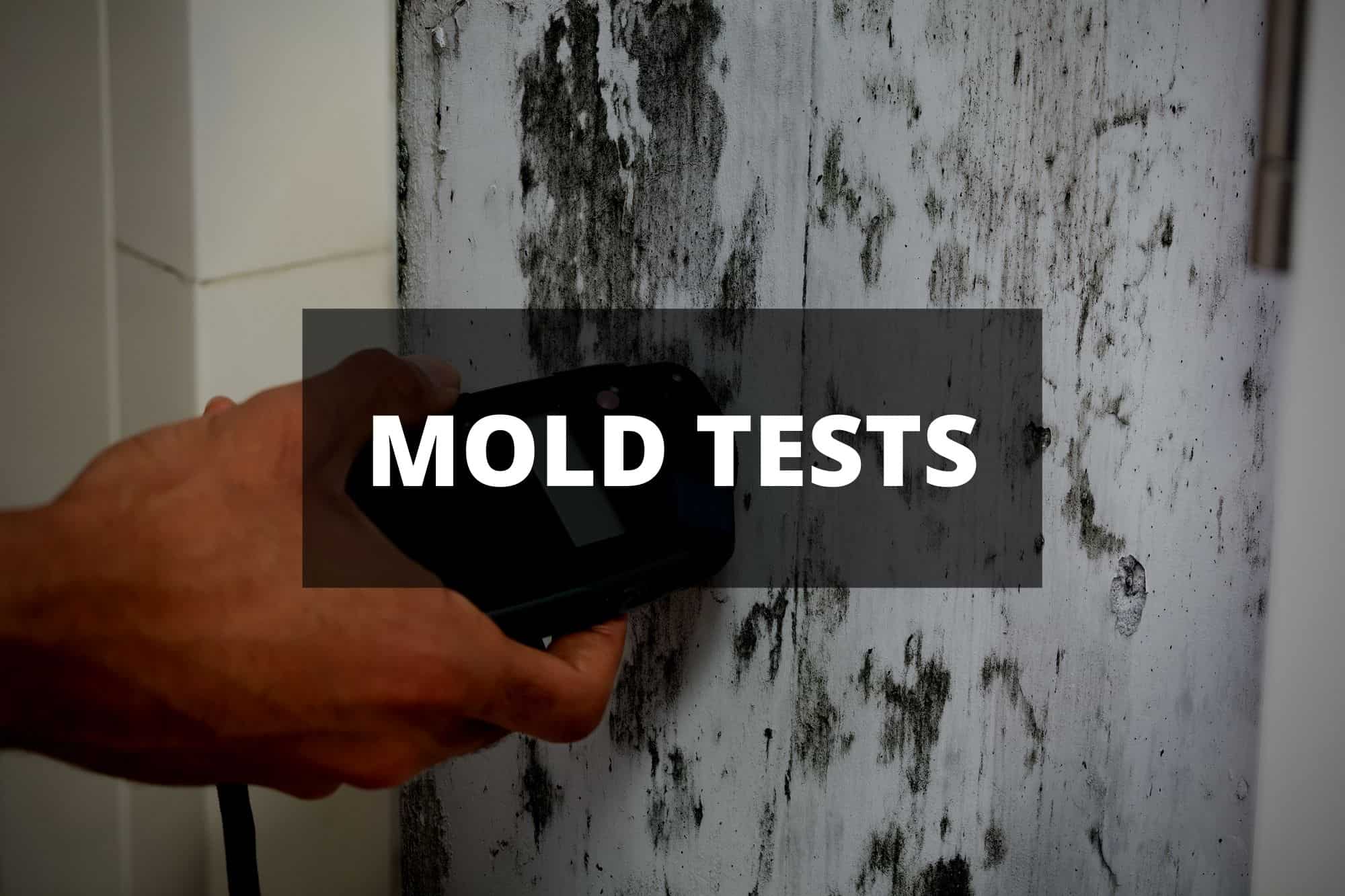
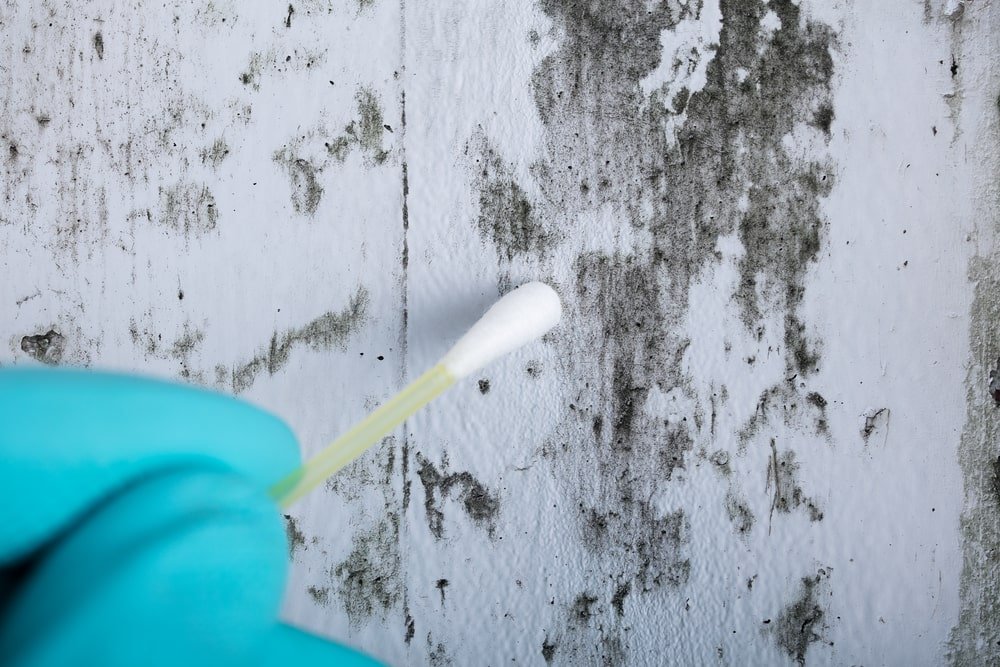
Here is the distinction that trips most people up: no home test kit can tell you whether mold has affected you. Air-pump cassettes, bulk samples, and petri-dish kits all measure what is growing in a structure — the relative spore load of certain species in your air or on a surface. None of them analyze your blood or urine, so none of them confirm personal exposure to spores, mVOCs, or mycotoxins.
If your goal is to find and measure mold in your home or rental, that walkthrough lives in our guide on how to test for mold in your apartment, which covers air-sampling versus surface kits, hidden growth, and professional inspection. The rest of this page is about the other question — how you confirm whether that mold has gotten into you.
Why Even Professional Property Testing Can't Confirm Exposure
A certified inspector with calibrated equipment will tell you far more than a drugstore kit — species present, spore concentration, whether growth is active or old. But that result describes the property. It still says nothing about what is in your bloodstream. (If you want that property-side inspection explained, see how to test for mold in your apartment.)
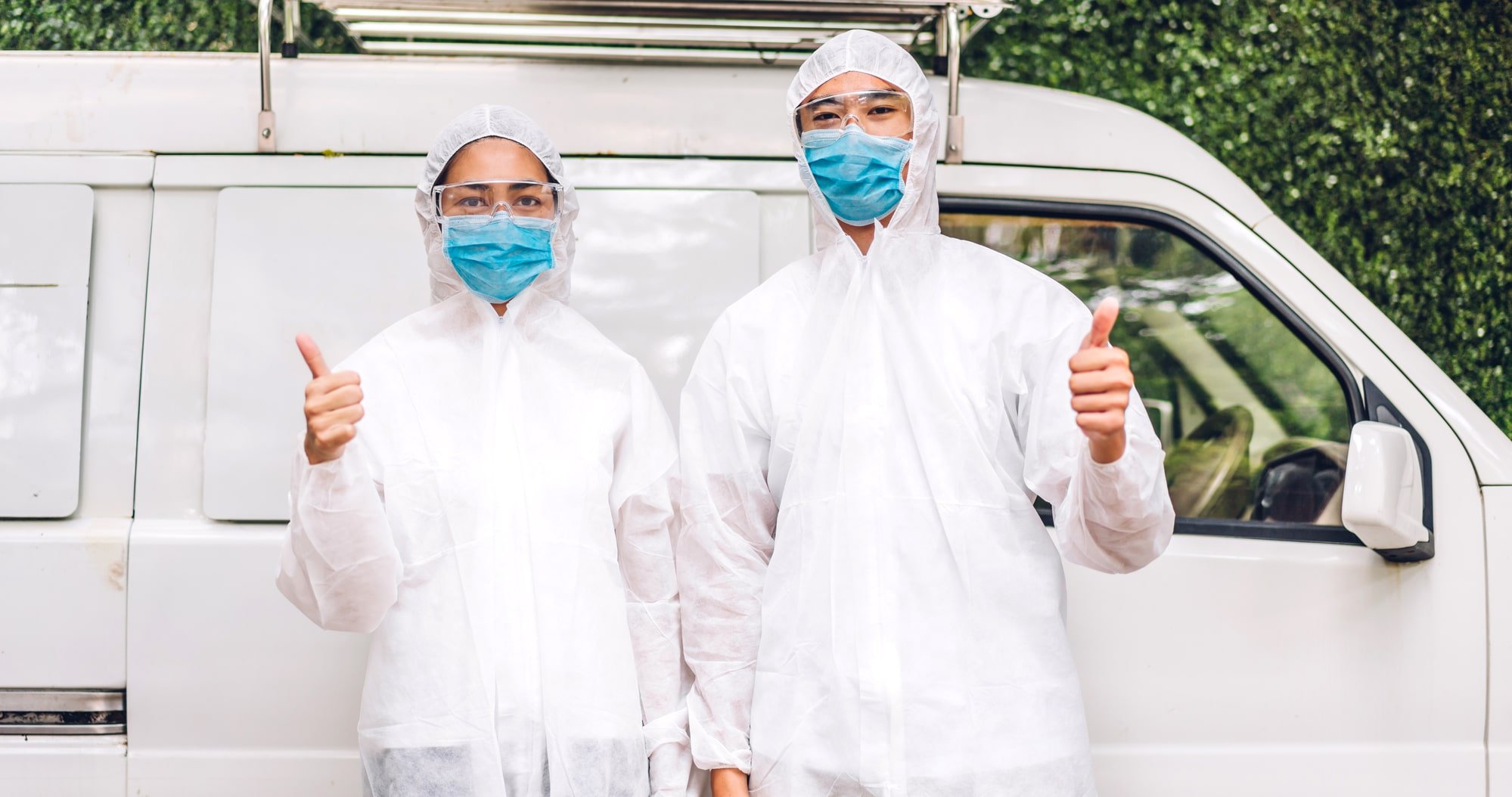
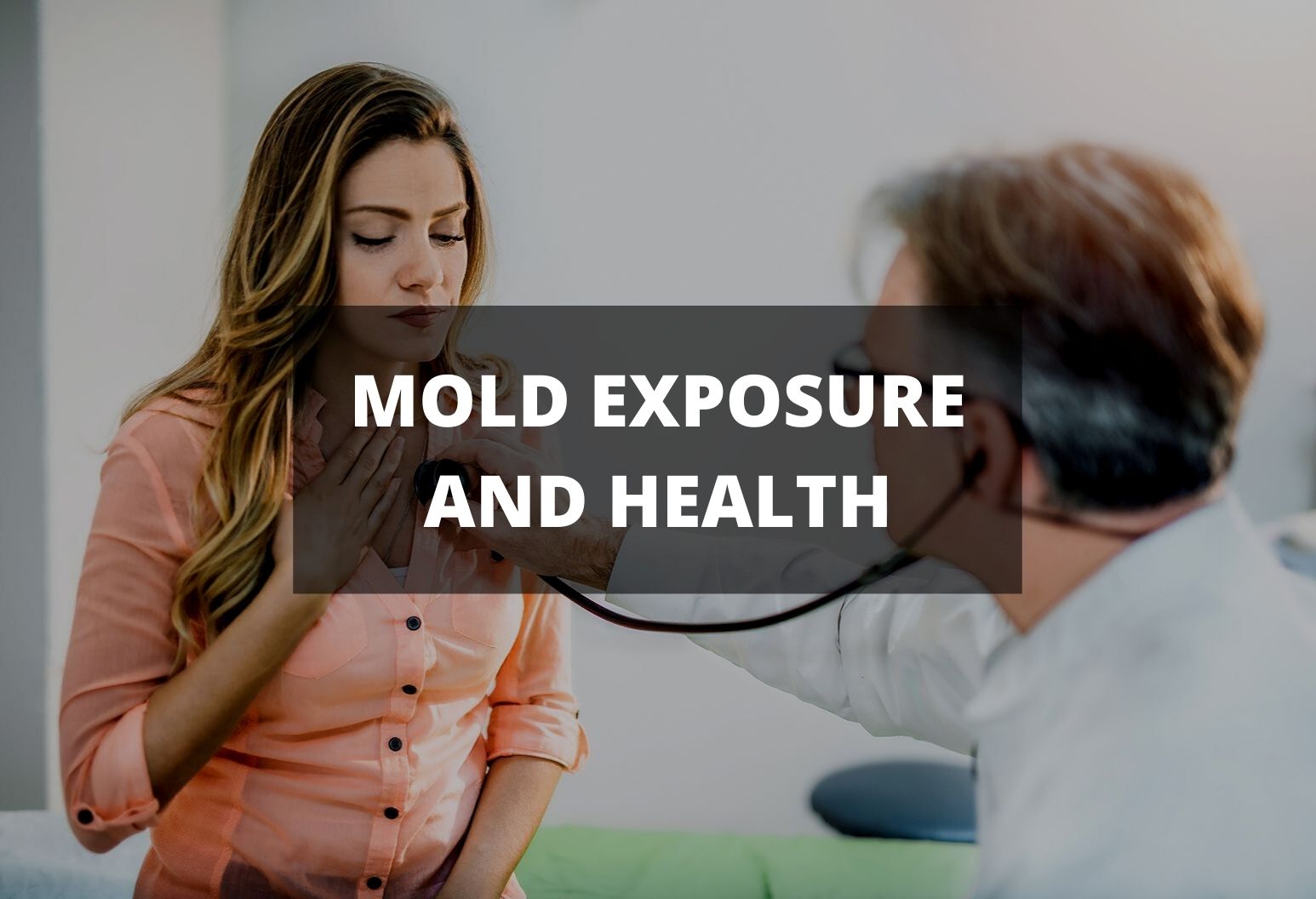
To confirm exposure in a person, a licensed healthcare provider has to analyze a biological sample — blood or urine — from someone who has been in the affected building. No air or surface test substitutes for that. If you think mold has made you sick, the next step is a doctor, not another kit. Here's when to see a doctor for mold exposure.
At-Home Signs That You May Have Been Exposed
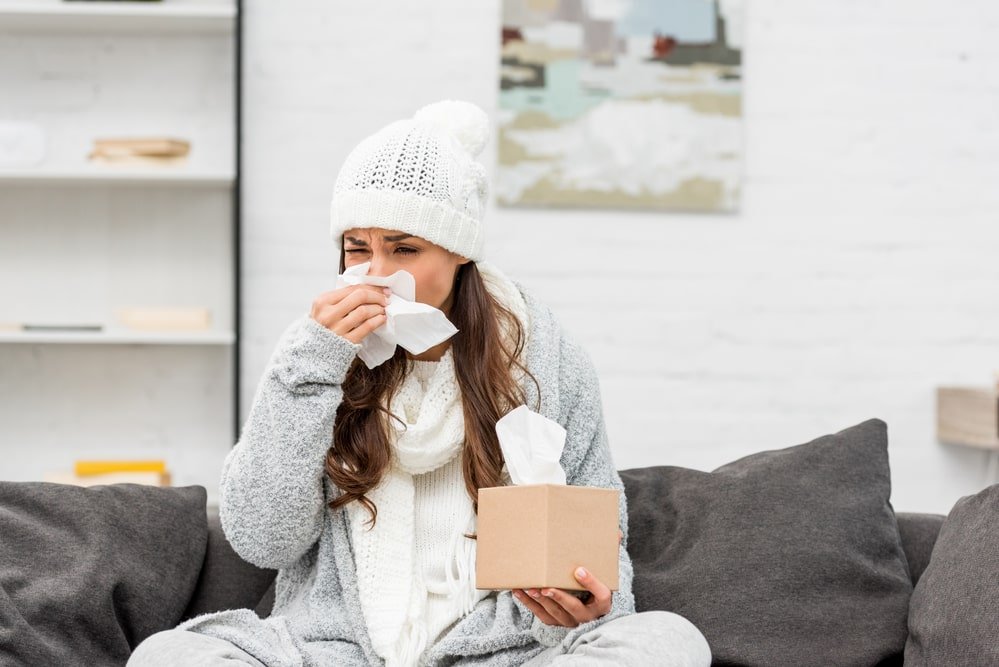
You can't diagnose mold exposure yourself, but you can notice patterns worth raising with a doctor. The common one: symptoms that track with your environment. A cough, congestion, itchy eyes, headaches, or a skin rash that eases when you leave the building and returns when you come back is a clue the air may be the trigger. People with asthma, allergies, or a weakened immune system tend to react sooner and harder, and children and older adults are more sensitive.
None of this is proof — plenty of these symptoms have other causes — so treat it as information to bring to a clinician, not a verdict. If you've actually inhaled visible mold or disturbed a colony, read what to do if you breathe in mold first.
Exposure Testing for Affected Individuals
Medical lab tests, such as a mold profile, can indicate whether an individual has been exposed to mold. This type of testing involves analyzing a blood or urine sample to identify specific biomarkers of mold exposure. The leading mold test uses advanced mass spectrometry to screen for 11 mycotoxins generated by 40 species of mold, including common genera such as Aspergillus, Penicillium, Fusarium, and Stachybotrys. Not all mold species within these groups are toxic (see what toxic black mold looks like here); some may only cause allergies.
Urine testing for mold exposure is one of the most popular methods because elevated levels of uric acid and other organic acids in urine may indicate exposure to mycotoxins. However, it's crucial to conduct these tests in a sterile lab testing facility, and the results should be analyzed by a trusted medical lab.
Blood testing is another common type of exposure testing for mold. This test measures the concentration of mold-specific immunoglobulin E antibodies in an individual's bloodstream. Elevated levels of these antibodies may indicate that the body's immune system is responding to biotoxins from mold exposure. Blood-based exposure testing should be performed in the context of medical treatment, and DIY or home testing is not recommended.
You may want to seek medical advice if you suspect mold exposure, as the symptoms may be similar to other respiratory illnesses. Medical experts can provide accurate testing and help interpret the results to determine the appropriate treatment plan.
Assess Exposure Risk Level
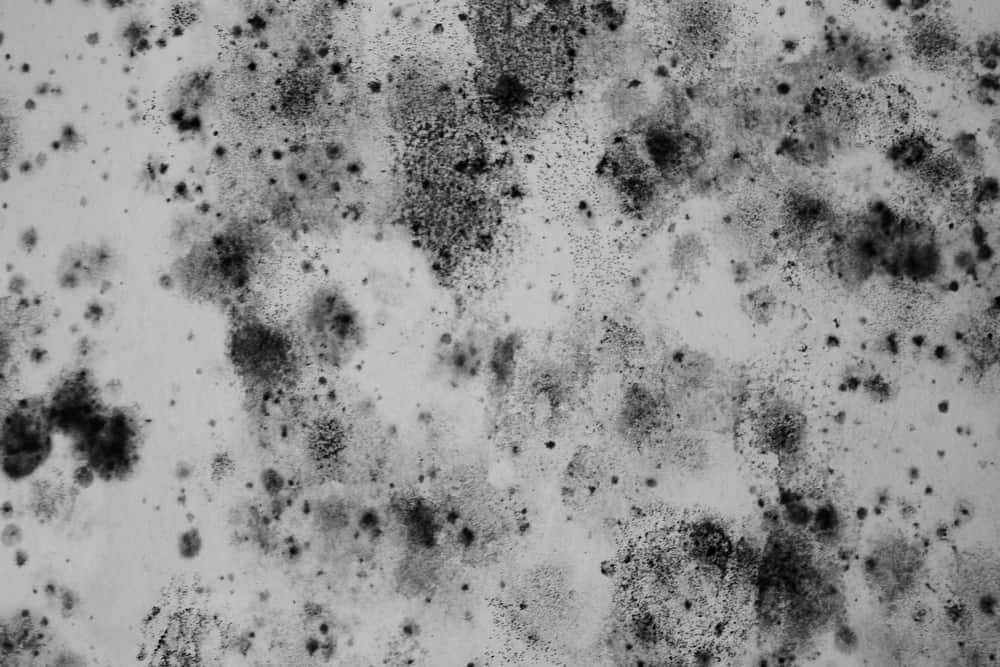
To ascertain the level of risk associated with exposure to mold, it is necessary to determine whether mold is present and the type of mold that is growing. Mold may be allergenic or toxigenic, and may have different effects on individuals based on immunological and genetic sensitivities.
Allergenic mold may have the most significant effect on sensitive or immunocompromised occupants of an infested residential or commercial structure. Ongoing exposure to mold may cause some individuals who do not initially have an inflammatory response to mold spores or mVOCs to develop allergies.
Toxigenic mold poses a risk to people who breathe in contaminated air, and the CDC notes that people with asthma, allergies, or weakened immune systems can be affected more seriously. If a home or professional mold test indicates that a toxic form of Stachybotrys chartarum or any other type of harmful fungus is growing in a structure, immediate containment and remediation should take place to reduce occupants’ risk of experiencing health effects.
Clean and Remediate Mold Damage
A positive result on any DIY or professional mold test indicates the need for mold removal. Once again, property owners have the option to attempt mold cleanup or schedule professional residential or commercial mold removal.
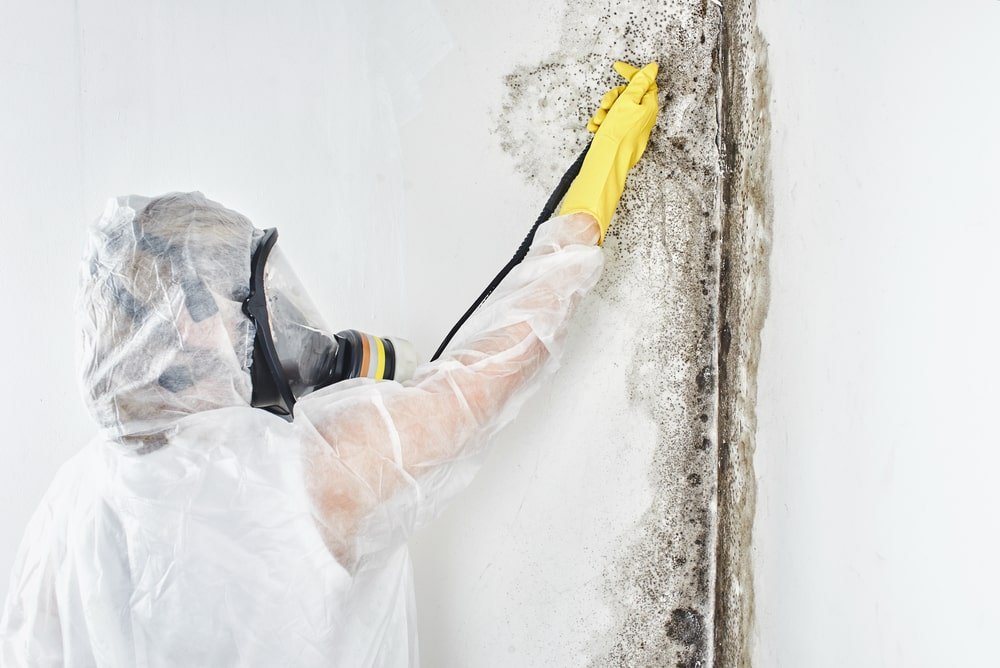
Depending on the extent of a structure affected by mold, limited or full containment may be necessary during cleanup to keep and infestation from spreading. The EPA advises that if the moldy area is larger than about 10 square feet, it is generally best to bring in professionals to limit exposure risks and handle the cleanup properly.
Final Thoughts on Testing for Mold Exposure
Two different tests answer two different questions. To find out if mold is in your building, you test the air and surfaces — start with our apartment testing guide. To find out if mold is in you, you see a doctor, who can order blood or urine analysis and read the results in the context of your health history. Confirming the source and confirming exposure are separate steps, and a positive on one does not settle the other. If your symptoms ease when you leave home and you suspect mold is behind them, book a medical appointment and get the property inspected in parallel.
FAQs Regarding How to Test For Mold Exposure
How does a doctor test you for mold exposure?
A clinician typically orders lab work on a blood or urine sample. Urine panels can screen for mycotoxins, and blood tests measure mold-specific IgE antibodies that show your immune system is reacting to mold. A provider interprets those results alongside your symptoms and history — the numbers alone don't make the call. This is medical testing, not something a home kit does.
Can a home mold test kit tell me if I've been exposed?
No. Home kits and even professional property inspections measure mold in a structure, not in your body. Confirming personal exposure requires a healthcare provider analyzing a biological sample. To test the building itself, see our guide on how to test for mold in your apartment.
When should I see a doctor about mold exposure?
If your symptoms improve away from home and return when you're back, or if you have asthma or a weakened immune system and feel worse around damp areas, talk to a doctor. Our guide on when to see a doctor for mold exposure covers the warning signs in more detail.
How long does it take to get sick from mold exposure?
Sensitive individuals and people with weakened immune systems may experience immediate allergic or inflammatory reactions to mold. Toxic infestations can cause more serious health problems, including mycotoxicosis or mold poisoning, within a matter of days or weeks. The effects of long-term exposure to mold may be even more serious, and it's essential to seek medical attention if you suspect mold exposure.