People use "mold removal" and "mold remediation" as if they mean the same thing. They don't — and the gap between them tells you a lot about whether a contractor knows the work. One term promises something that's physically impossible. The other describes what actually solves the problem.
Here's the real distinction, why it matters when you're hiring, and how to read the wording on a company's website before you sign anything.
Key takeaways
- "Mold removal" implies eliminating every spore, which is impossible — spores exist naturally indoors and out.
- Remediation is the accurate term: it returns indoor mold to safe, normal levels and aligns with the IICRC S520 standard.
- The defining difference is fixing the moisture source; clean only the visible patch and the mold returns within days.
- Full remediation covers assessment, containment, HEPA air filtration, removal, the moisture fix, and drying/restoration.
- "Removal" on a website isn't automatically a red flag — but a promise of "100% mold removal" is.
Why "Removal" Is Misleading
Mold removal implies getting rid of all the mold. That can't happen. Mold spores are everywhere — outdoors in the soil and air, and floating through the inside of every building you've ever been in. Open a window and more drift in. No company can scrub a home down to zero spores and keep it there, and any business promising "100% mold removal" is either misinformed or selling you a line.
What you can do is bring indoor mold back down to normal, safe levels and stop it from growing again. That's a different goal, and it has a different name.
What Mold Remediation Actually Means
Remediation is the correct, industry-aligned term. The recognized standard for this work is the IICRC S520, which frames the job as returning the indoor environment to a condition comparable to similar, unaffected buildings in the same area — not eliminating spores entirely.
The defining piece is what removal-talk leaves out: fixing the moisture source. Mold needs water to grow. If you scrub the visible patch but ignore the leaking pipe or the condensation behind the drywall, it comes back within days. Remediation treats the cause, not just the symptom. For more on when this work is warranted, see do I really need mold remediation.
What Each Process Involves
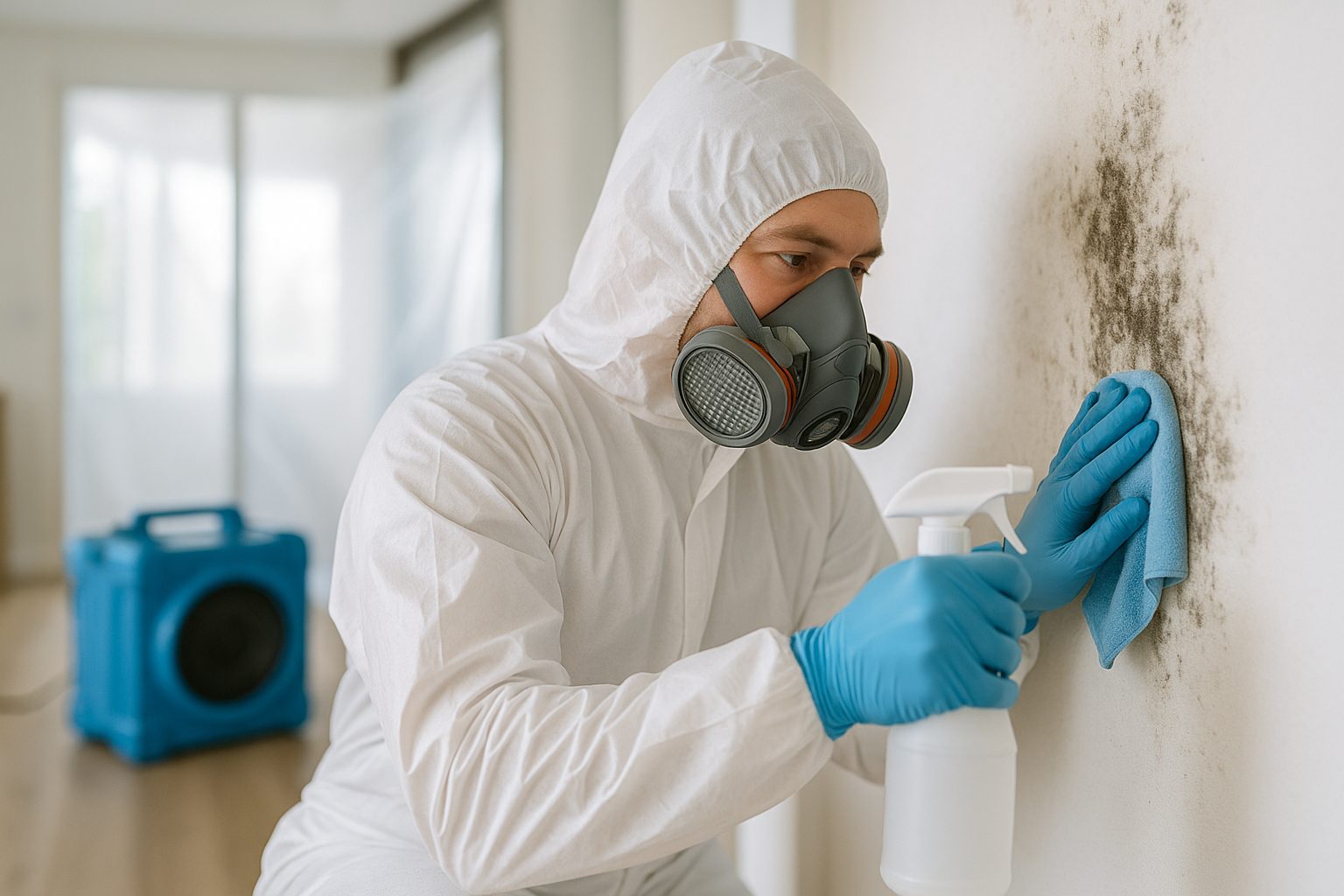
"Mold removal" usually refers to the hands-on part — physically taking out the moldy material and cleaning affected surfaces. That step is real and necessary. It's just one stage of the larger job. Remediation wraps that step inside a full process:
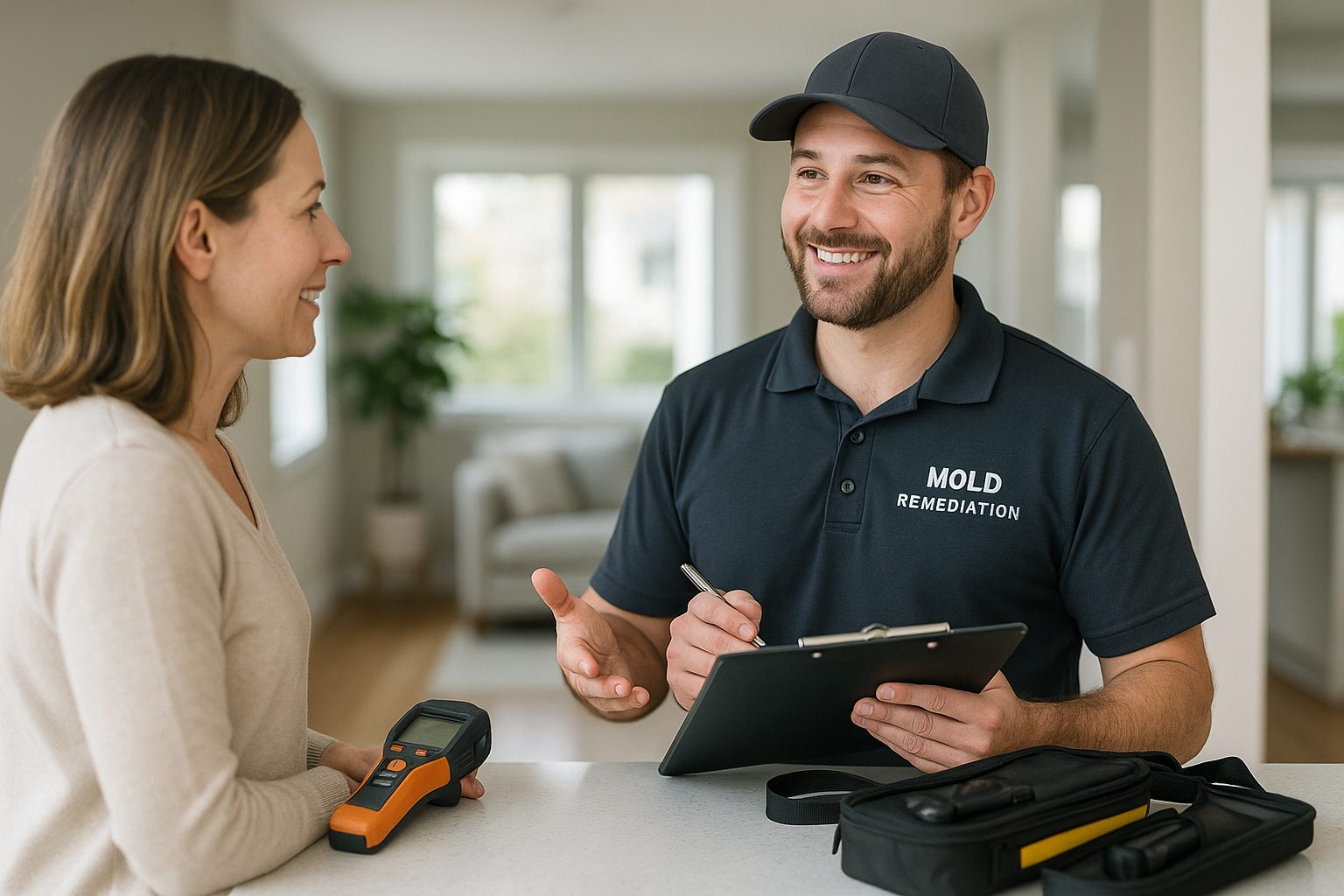
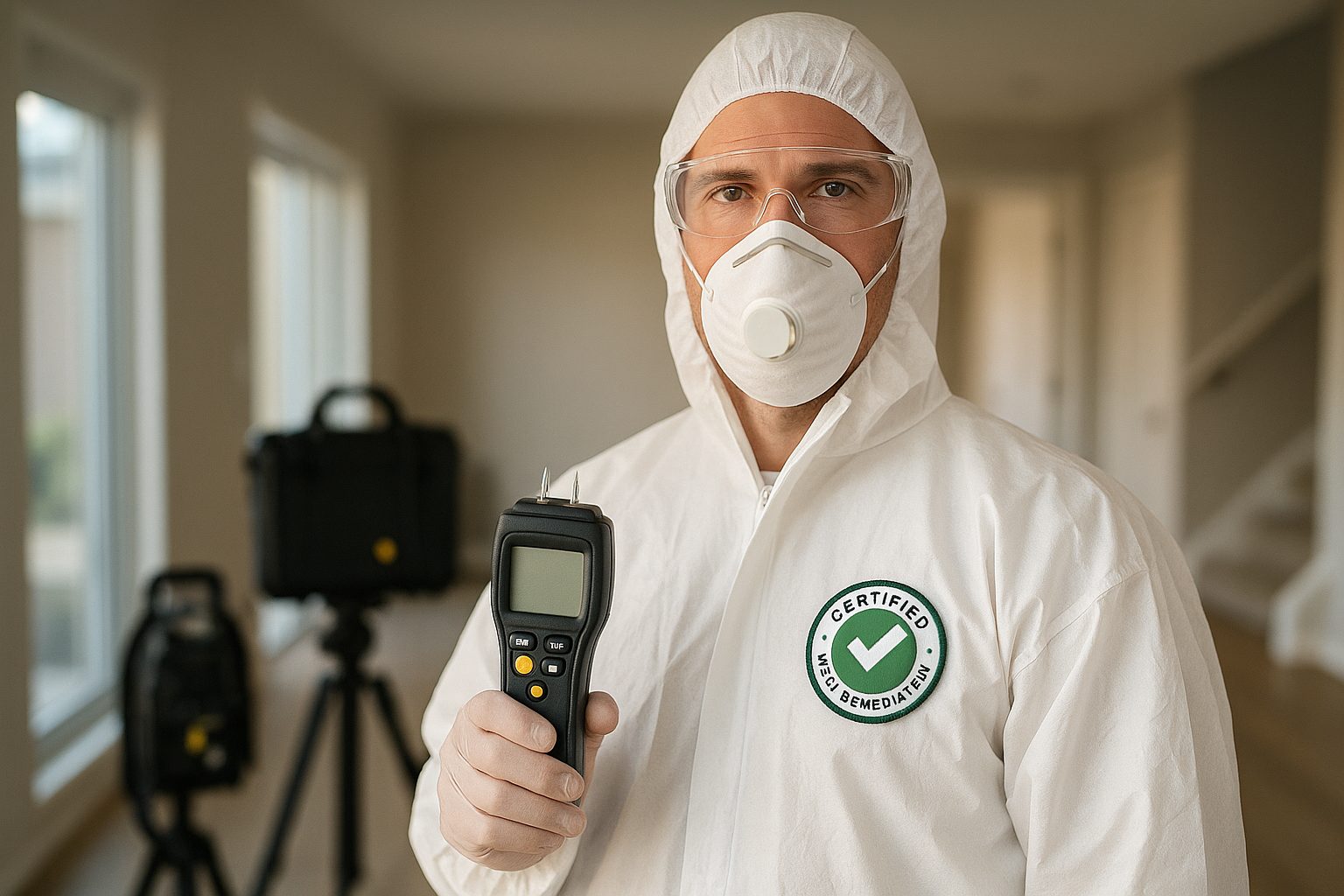
- Assessment — finding the moisture source and the full extent of growth, often with moisture meters and humidity readings
- Containment — sealing off the work area so spores don't spread to clean rooms
- Air filtration — HEPA filtration and air scrubbers to capture airborne spores
- Removal — taking out and disposing of mold-damaged porous materials, then cleaning what stays
- Fixing the cause — repairing the leak, condensation, or ventilation problem that fed the growth
- Drying and restoration — bringing humidity back to normal and rebuilding what was removed
Side by Side
| Mold Removal | Mold Remediation | |
|---|---|---|
| What it implies | Eliminating all mold (not actually possible) | Returning mold to safe, natural levels |
| Scope | The physical cleanout step | The full process, start to finish |
| Addresses the moisture source? | Not on its own | Yes — central to the work |
| Containment & air filtration | Not always | Standard practice |
| Industry standard | No formal standard for the term | Aligned with IICRC S520 |
| Risk of regrowth | High if the cause is untouched | Low when the source is fixed |
Why the Wording Matters When You Hire
Listen to how a company talks. A pro who understands the work will explain it in terms of remediation — finding the water source, containing the area, restoring safe levels. A contractor who promises to "remove all the mold permanently" is making a claim that can't be kept, which is a warning sign about everything else they'll tell you.
This doesn't mean "removal" is always a red flag. It's the word most homeowners type into a search bar, so plenty of honest companies use it on their websites to match how people look. The tell isn't the word itself — it's whether they treat the moisture cause and set realistic expectations, or just promise a spotless, spore-free home.
How We Use the Two Terms
You'll see both phrases on this site, and they connect you with the same network of licensed, bonded, and insured local crews. Our mold removal services page speaks to the cleanout most people are searching for, while our certified mold remediation services page covers the full, standards-aligned process — assessment, containment, source repair, and restoration.
MoldRemediation.io is a referral service. We don't do the work ourselves; we match you with vetted independent professionals in your area so you can compare options quickly. Call (877) 349-1231 or use our contact page to get connected.
Frequently Asked Questions
Is mold removal or mold remediation better?
Remediation is the more complete approach because it fixes the moisture source, which is what stops mold from returning. Removal alone — cleaning the visible growth without addressing the cause — tends to be a temporary fix.
Can mold be removed completely?
No. Spores exist naturally indoors and out, so no process can eliminate them entirely. The realistic goal is returning indoor levels to normal and keeping moisture under control so colonies don't grow back.
What is the IICRC S520?
It's the recognized industry standard for professional mold remediation. It defines the goal as restoring the indoor environment to a condition similar to unaffected buildings nearby, rather than achieving a spore-free space.
Does remediation guarantee the mold won't come back?
No honest pro guarantees that, but fixing the moisture source dramatically lowers the odds. Mold needs water — control the water, and you control the regrowth.