Mold is a fungus that can grow inside your house and wreak havoc on your air quality. It may grow subtly, without you noticing the damage it is doing until a serious situation has occurred. Mold can grow rapidly, making it harder to contain the spread of the toxic spores. However, if you know what causes mold and how to recognize some of the tell-tale signs of a mold problem, there are several things you can do to naturally get rid of mold in your home.
Key takeaways
- Five household options handle small jobs: 3% hydrogen peroxide, baking soda, white vinegar, lemon juice, and tea tree oil.
- White vinegar kills roughly 82% of mold species and works on porous and non-porous surfaces; let it dwell about an hour before wiping.
- Bleach only disinfects the surface, so mold in grout or drywall tends to grow back after a bleach-only clean.
- Under the right damp conditions mold can colonize in 24 to 48 hours, so fix leaks and hold humidity at 30–50%.
- Natural remedies suit small patches; anything over ~10 square feet, inside walls, or suspected toxic should go to a pro.
Where Does Mold Come From?
Mold is a generic term for several variations of fungi, which is what you may have found growing on old leftovers in the refrigerator or along the siding of the house. There are countless species of mold that are able to grow either outdoors or indoors. Many people also recognize mold in the form of mildew, through dark smelly basements or stained, stinky carpets from a water leak. Not all types of molds are harmful, as blue cheese and penicillin have crucial fungi components.
Active mold growth occurs when there is excessive moisture in the air. Because this condition can be found in almost any environment, there is the potential for mold spores to be found everywhere. It could be on visible surfaces in the bathroom, lurking under the carpet, or hiding behind drywall. Where you find a lot of bacteria, organic compounds, airborne chemicals, or dust mites, there is also a greater likelihood that you may find mold growing. More than just a terrible odor and an unattractive stain on walls or ceiling tiles, mold spores are dangerous to both human and animal health.
How Do I Recognize Mold?
You may start to smell mold or mildew before you actually see visible signs of growth. If a room has had water damage or humidity, you may start to notice a smell coming up from the carpet or out of the walls. Common signs include spots of brown, green, or black along the area where the water damage occurred, but you may also have a cluster of growth occurring around air vents or near dark spaces that aren't as easy to find. If your paint, ceiling tiles, or drywall is bubbling and cracking, especially in an area where you know a leak or other moisture contact occurred, it could indicate growth on the inside of the walls. You can also have an air quality or mold exposure test conducted in your home to evaluate the air for the presence of harmful spores.
Mold vs. Mildew: How to Tell Them Apart
Mildew and mold are both fungi, but they behave differently, and that changes how you clean them. Mildew is light in color, flat, and powdery — it starts white, gray, or yellow and darkens to brown or black over time, and it stays on the surface. Mold is fuzzy or slimy, spreads in a pattern, and usually shows up black, brown, gray, or green. Its root-like structure, the hyphae and mycelium, digs into porous materials, which is why a quick surface wipe rarely kills it.
A fast test: dab a spot of discoloration with a paper towel dampened in diluted bleach. If it lightens within a few hours, it is mildew rather than dirt. Color alone will not tell you whether mold is toxic — even Stachybotrys chartarum, the black mold people worry about, can look green depending on its growth stage — so do not judge the risk by appearance.
On hard, non-porous surfaces, a surface disinfectant clears either one. On porous materials it takes an antifungal that penetrates, which is exactly where the natural remedies below earn their place over harsh chlorine bleach.
5 Natural Home Remedies For Mold
For minor mold problems, there are some things you can try at home to take care of the problem. Prevention is the best way to handle the possibility of mold growth. Under the right conditions, toxic black mold can start to grow and multiply into a colony in as little as 24 to 48 hours. You may not see it, as mold thrives in humid, dark, damp places. Your starting places for prevention should be the kitchen, the bathroom, and the basement. Clean surfaces often and limit how much moisture can build up in the space. Keep the grout in these areas clean, repair any leaks, and wipe down counters or showers after use.
Household cleaners and disinfectants can be effective against preventing mold growth, and there are several commercial products available that can deal with existing growth. However, some people prefer to avoid adding more harsh chemical toxins to their living environment. As an alternative, you can use the following green household cleaners as a way to naturally get rid of mold.
1. Hydrogen Peroxide
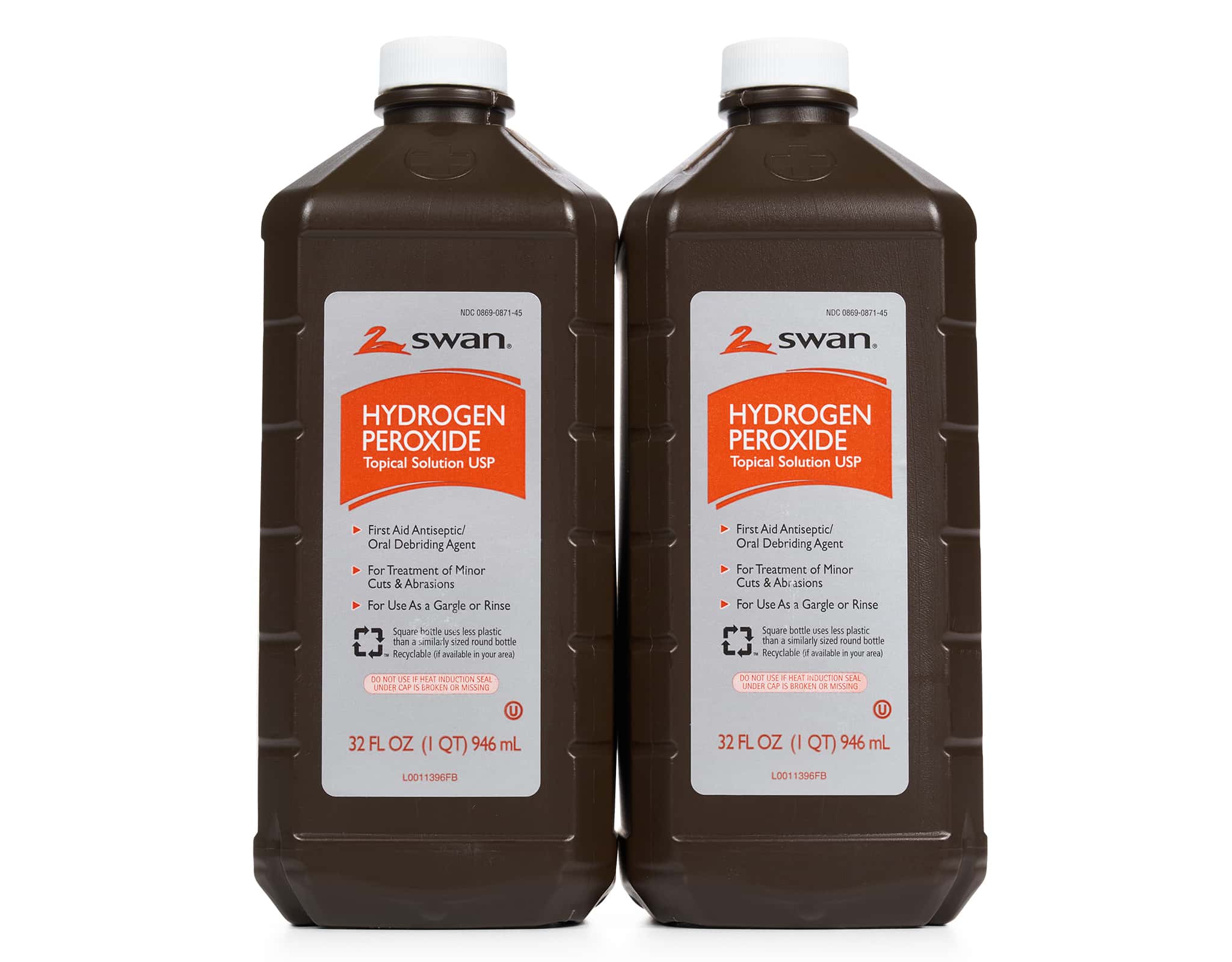
This agent is used as an antiviral, antifungal, and antibacterial solution. It is a common household product, found in many medicine cabinets for its effective use in these areas. It can also be used effectively against mold. As a solution, it is mild enough to be used on bathroom tubs or fixtures, in the kitchen on appliances or counters, and it can be used on some wall surfaces.
To apply, fill a spray bottle with a 3% concentration of hydrogen peroxide and saturate an area covered with mold (test in an inconspicuous place first). Leave it to sit for 10 minutes before scrubbing the area to remove the stains. Wipe it dry once it's clean.
2. Baking Soda
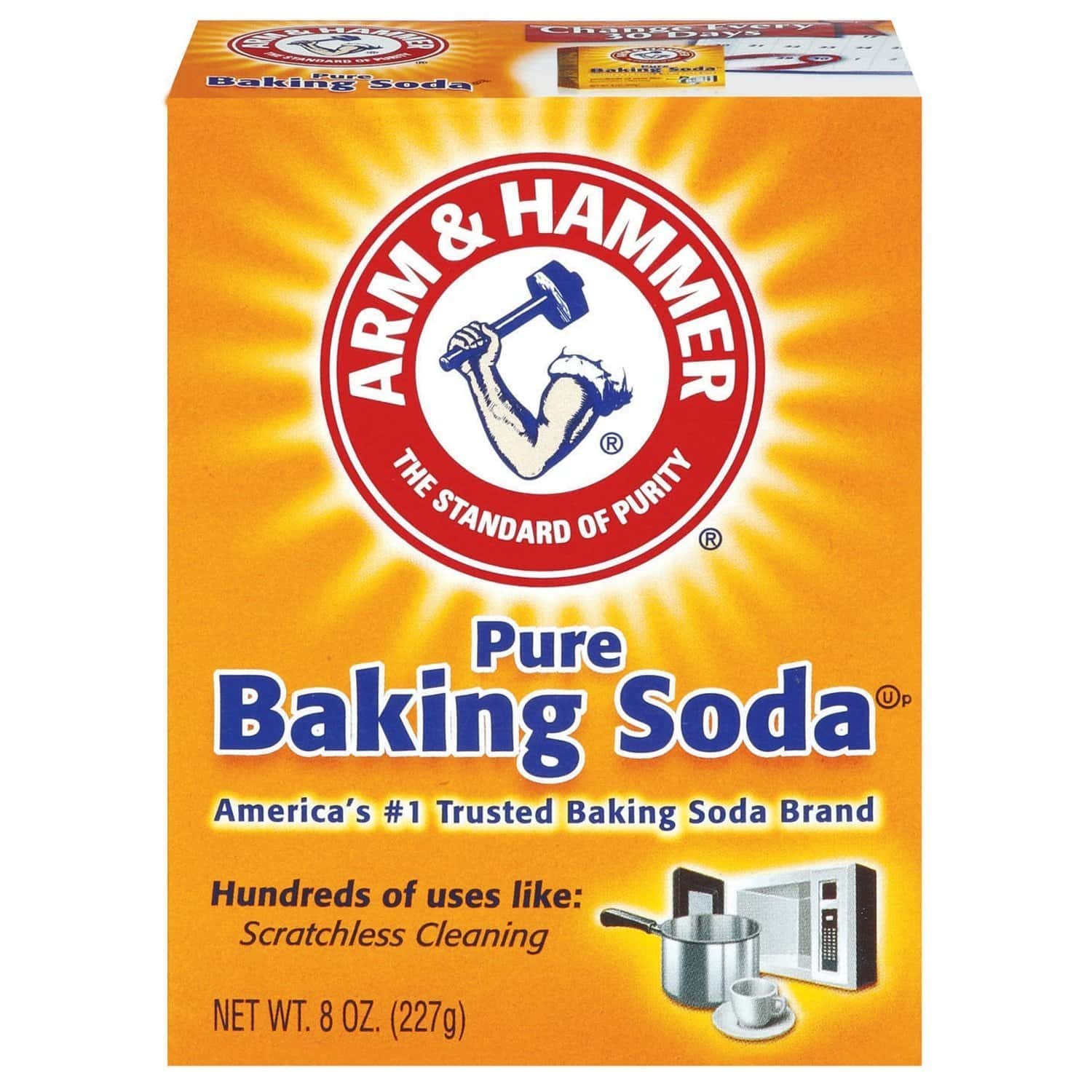
You can use baking soda for more than absorbing fridge odors. It is safe to be used around family members and pets, and it is effective in preventing black mold growth and removing it. You should add one-quarter tablespoon to a spray bottle filled with warm water. Shake the bottle until the substance has dissolved. Spray down the mold area and use a scrub brush to thoroughly clean the surface. Rinse the surface with water to help remove any leftover residue and baking soda. After it is clean, spray the surface with the solution but let it air dry. This can kill leftover spores and prevent new growth.
3. Vinegar
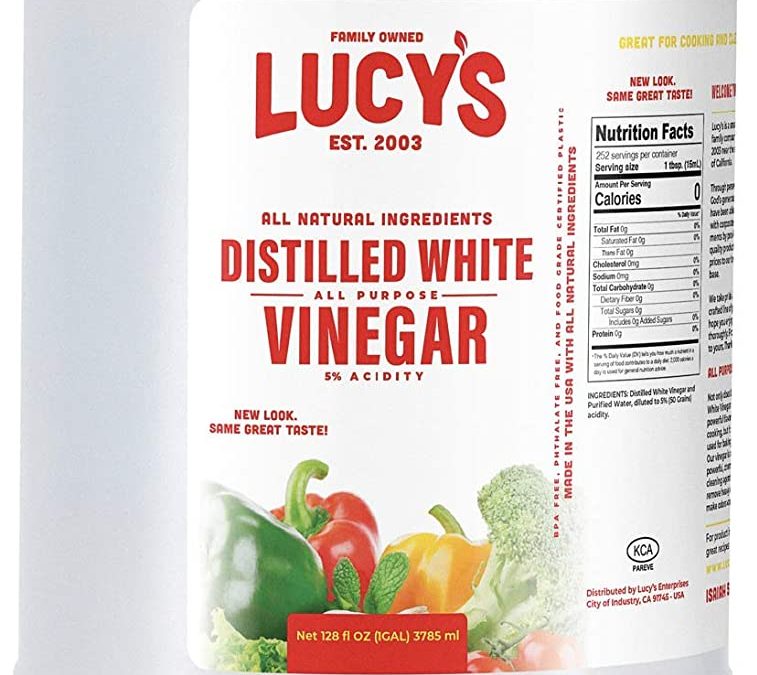
White vinegar, though it has a strong, unpleasant odor, is a mildly acidic liquid that is effective for deodorizing, cleaning, and disinfecting. It is successful in killing about 82% of various mold species, including dangerous black mold. You can use vinegar on both non-porous and porous surfaces, and the odor fades quickly after use.
Don’t add water when pouring vinegar into a spray bottle. This will weaken the strength of the vinegar. Spray the moldy surface and let it sit for an hour. A mild mold problem should wipe clean with water, then let the area air dry. The smell will dissipate after just a few hours.
4. Lemon Juice
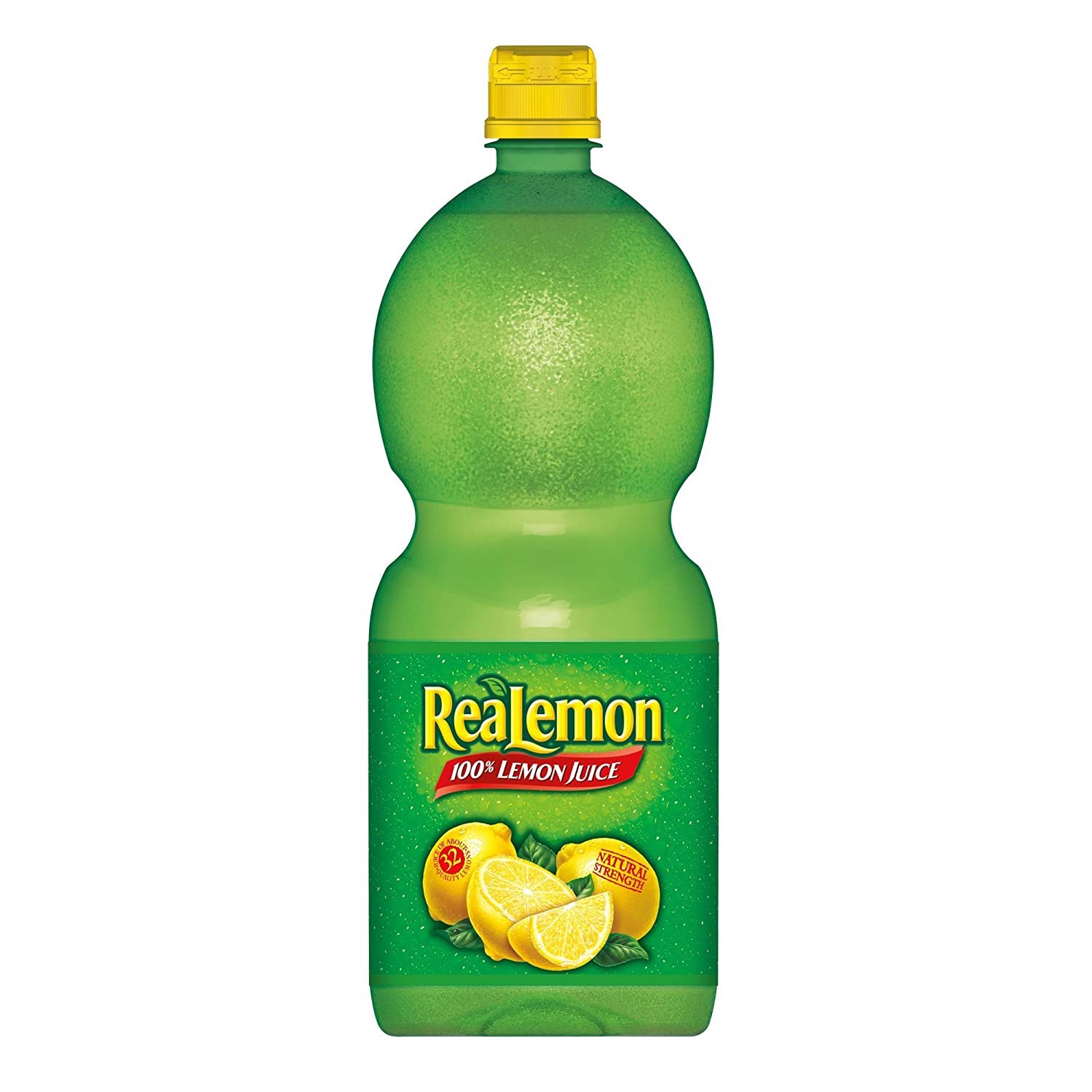
For a fresh, citrus burst of cleaning, try lemons against mold growth. This fruit is a natural stain removed, bleach, antiseptic, cleaner, and deodorizer. There is a high concentration of acid in lemons, which makes it possible for the juice to break down mold spores. It is best if you juice the lemons for maximum potency, and you need enough juice to treat the size of the area with the mold. Three to five lemons may be enough. Apply the juice to the moldy area and let it soak for five minutes. Use a damp towel to wipe off the surface, and if the stain persists, reapply the juice, scrub the area, and let it soak again.
5. Essential Oils
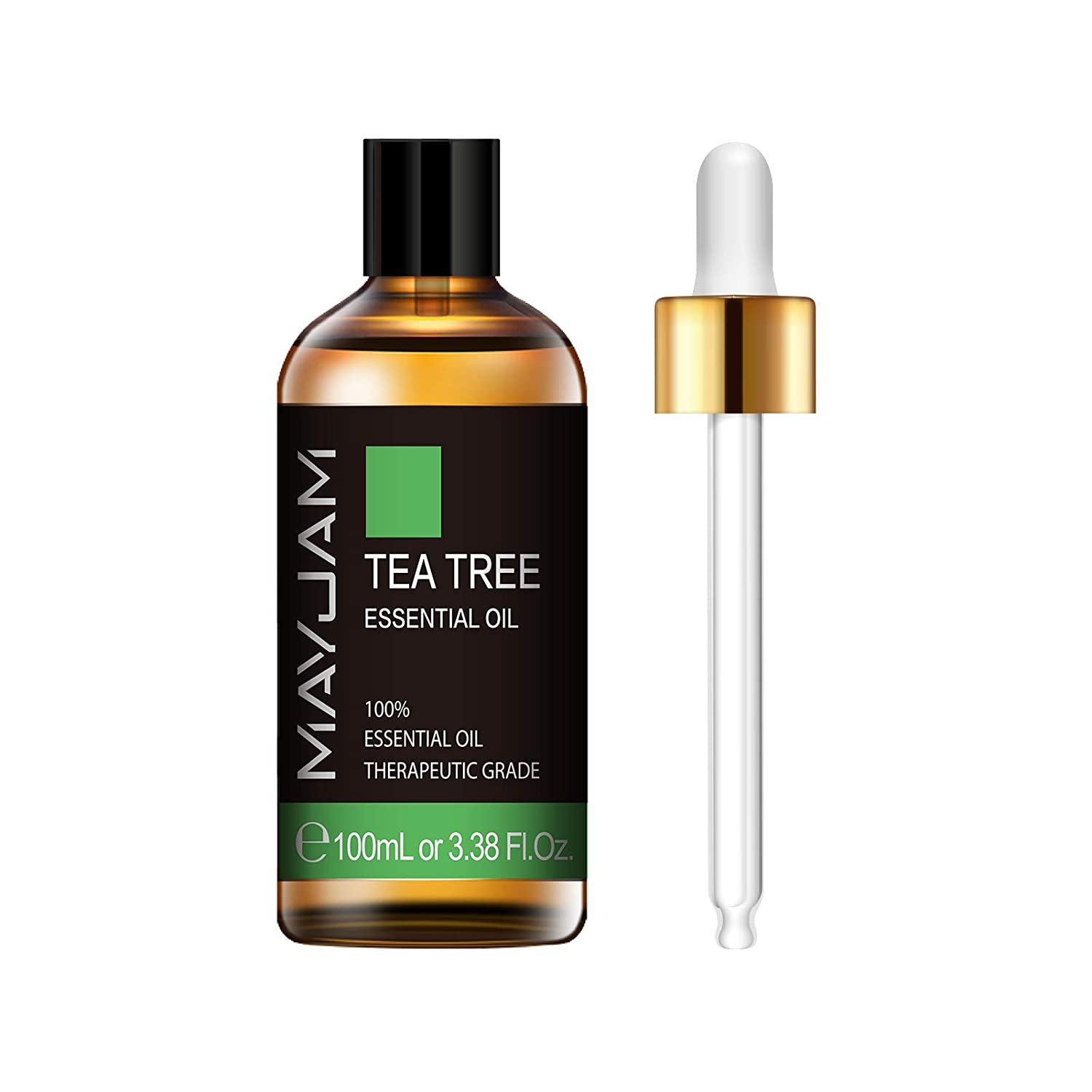
Essentials oils have been used for aromatherapy purposes in many households, both in skin application and through the use of diffusers. These compounds are able to do much more, especially as cleaning applications. Tea tree oil is a pungent aroma that is powerful as an antiseptic, insect repellant, and deodorizer. This is also one of the best and safest natural ways of removing black mold. The oil is a natural fungicide that stops and prevents mold growth but also helps with the removal.
Because of its strength, mix just one teaspoon of tea tree oil into a spray bottle with one cup of water. You will need to shake the bottle vigorously to help blend the oil and water. Thoroughly spray the moldy area, then let it sit and dry for about an hour. Take a dry towel or microfiber cloth and wipe down the surface. Some people find essential oils irritating to the skin, so you may want to wear gloves.
Final Thoughts
Toxic mold can pose serious health consequences. If mold has been found in your home, it's important to have it checked out and remediated immediately. Severe mold should be properly remediated by licensed and experienced professionals.
Natural Mold Cleaning FAQs
What is the best natural way to clean mold?
White vinegar and borax are the most reliable household options because they soak into porous surfaces and break down the root structure mold leaves behind. Spray, wait an hour, then scrub and wipe. Bleach only disinfects the surface, so mold in drywall or grout tends to come back after a bleach-only cleaning.
What is the difference between mold and mildew?
Mildew is light-colored, flat, and surface-level, and it wipes away fairly easily. Mold is fuzzy or slimy, grows in patterns, and roots into porous materials, so it is harder to remove and can pose more serious health risks.
How do I keep mold from coming back?
Control the moisture. Hold indoor humidity in the 30 to 50 percent range, fix leaks quickly, ventilate bathrooms and kitchens, and dry damp surfaces. A natural antifungal like vinegar slows regrowth, but without fixing the water source the mold returns.
When should I stop and call a professional?
Natural remedies suit small, surface-level patches. For mold covering more than about 10 square feet, growth inside walls or HVAC, or anything you suspect is toxic, bring in a pro. We can connect you with a licensed local crew.